Land for Sale: A Comprehensive Guide to Types, Considerations, Financing, and Legal Aspects

The Allure of Land Ownership
Buying land is often seen as the ultimate ‘blank canvas’ of the real estate world. Whether you are dreaming of building a custom family home from scratch, starting an organic farm, or securing a long-term investment asset, purchasing a plot of land offers a unique set of opportunities and challenges. Unlike buying a pre-existing house, land ownership requires a different level of foresight and a deeper understanding of the physical and legal landscape. In this guide, we will explore the nuances of finding land for sale, from the various types available to the complex legalities that govern them.
Understanding the Different Types of Land






Not all land is created equal. Before you start browsing listings, it is crucial to identify which category of land aligns with your goals. The most common types of land for sale include:
1. Residential Land
Residential land is designated specifically for housing. This can range from small urban infill lots to sprawling suburban parcels. Often, these plots are already integrated into local utility grids, making them ‘shovel-ready’ for construction. If you intend to build a home, ensuring the land is zoned for residential use is your first priority.
2. Agricultural and Rural Land
For those looking to get into farming, ranching, or simply seeking a quiet life away from the city, agricultural land is the go-to. This type of land is usually much larger and often comes with specific tax benefits. However, it may lack immediate access to municipal services like water and sewage, requiring the installation of wells and septic systems.
3. Commercial and Industrial Land
If you are an entrepreneur or developer, commercial land is intended for office buildings, retail spaces, or hotels. Industrial land, on the other hand, is suited for warehouses, manufacturing plants, or logistics hubs. These parcels are typically located near major transport links and require specific environmental clearances.
4. Raw and Undeveloped Land
This is land in its most natural state. It has no utilities, no roads, and no structures. While raw land is usually the cheapest to purchase, it is the most expensive and difficult to develop. It is a favorite for long-term investors who believe the surrounding area will grow in value over several decades.
Critical Considerations Before Buying
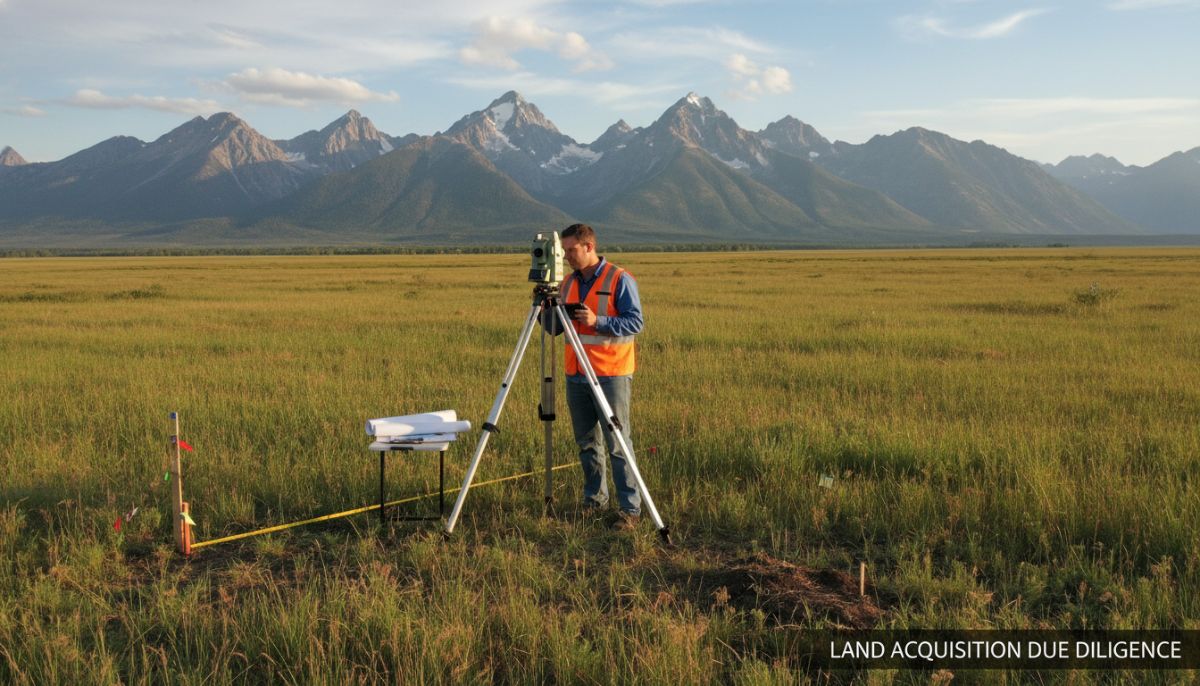
Once you have found a piece of land that catches your eye, the ‘casual’ browsing phase ends, and the ‘formal’ due diligence begins. Here are the factors that should dictate your decision:
Location and Accessibility
A beautiful plot of land is useless if you cannot get to it. Check if the property has ‘deeded access’ or if it is landlocked. You should also consider the proximity to essential services, schools, hospitals, and your workplace. Even if you want a remote lifestyle, being five hours from the nearest grocery store can get old very quickly.
Zoning Laws and Restrictions
Zoning is the set of rules that determines what you can and cannot do with your land. A plot might look perfect for a tiny house, but local zoning laws might mandate a minimum square footage for all dwellings. Always visit the local planning department to understand the specific restrictions, including setbacks, building heights, and even the type of animals you can keep.
Utilities and Infrastructure
Do not assume that because there is a house next door, your land has easy access to electricity, water, or high-speed internet. Extending utility lines can cost tens of thousands of dollars. If the land is rural, you must perform a ‘perc test’ (percolation test) to ensure the soil can handle a septic system.
Financing Your Land Purchase
Financing land is notoriously more difficult than financing a finished home. Banks view land as a riskier investment because there is no immediate collateral (like a house) that they can sell if you default. Here are your primary options:
Land Loans
These are specialized loans offered by some banks and credit unions. They are usually divided into three categories: Raw Land Loans (highest interest rates), Unimproved Land Loans (moderate), and Improved Land Loans (lowest rates among land loans). Expect to provide a larger down payment, often 20% to 50%.
Seller or Owner Financing
In some cases, the person selling the land acts as the bank. You make a down payment to them and then pay monthly installments. This is often easier to qualify for but may come with higher interest rates or a ‘balloon payment’ due after a few years.
Construction-to-Permanent Loans
If you plan to build immediately, this is the most efficient route. This loan covers the purchase of the land and the cost of construction. Once the home is finished, the loan converts into a standard mortgage.
Navigating the Legal Aspects
The legal side of land acquisition is where most people feel overwhelmed. However, getting this right is non-negotiable.
Title Search and Insurance
A title search ensures that the seller actually owns the land and has the right to sell it. It also uncovers any ‘liens’ or unpaid taxes attached to the property. Title insurance protects you if a hidden legal issue arises after the purchase.
Easements
An easement is a legal right for someone else to use a portion of your land. This could be a utility company needing access to power lines or a neighbor needing to drive across your property to reach theirs. Easements can significantly impact how you use your land.
Environmental Regulations
In many regions, land may be protected due to the presence of wetlands, endangered species, or historical artifacts. Federal and state laws can strictly prohibit building on certain parts of a parcel. Hiring an environmental consultant during your due diligence period can save you from a legal and financial nightmare.
Final Thoughts: The Road to Ownership
Searching for land for sale is a journey that requires equal parts imagination and pragmatism. While it is easy to fall in love with a view or a quiet forest, the successful land buyer is the one who does their homework. By understanding the types of land, being realistic about financing, and respecting the legal hurdles, you can turn a simple plot of dirt into the foundation of your future. Whether you’re building a legacy or a business, land remains one of the most stable and rewarding investments one can make. Just remember: in the world of land, the ‘deal of a lifetime’ usually requires a lifetime of preparation.